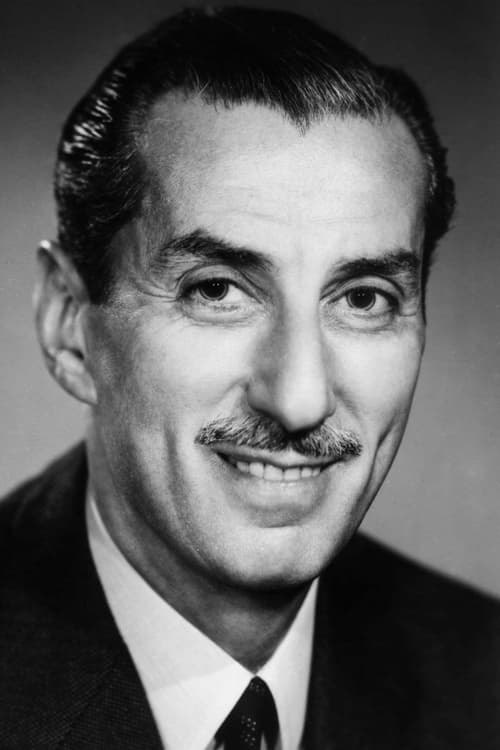
Robert Trout
ActingAbout Robert Trout
Robert Trout (born Robert Albert Blondheim; October 15, 1909 – November 14, 2000) was an American broadcast news reporter who worked on radio before and during World War II for CBS News. He was regarded by some as the "Iron Man of Radio" for his ability to ad lib while on the air, as well as for his stamina, composure, and elocution. Trout was born in Washington, D.C.; he added the Trout name early in his radio career. He entered broadcasting in 1931 as an announcer at WJSV, an independent station in Alexandria, Virginia, founded in the early 1920s by James S. Vance. In the summer of 1932 WJSV was acquired by CBS, bringing Trout into the CBS fold. (WJSV is now WFED in Washington, D.C.) He was the man who used the on-air label "fireside chat" in reference to radio broadcasts of President Franklin D. Roosevelt during the Great Depression and World War II. (Trout credited the genesis of the phrase to Harry Butcher, a CBS vice president in Washington). Trout was behind the microphone for many of broadcasting's firsts. He was the first to report on live congressional hearings from Capitol Hill, first to transmit from a flying airplane and, by some definitions, the first to broadcast a daily news program, creating the news anchorman role. It was Bob Trout in the mid-1930s who passed on to a then-new CBS executive, Edward R. Murrow, the value of addressing the radio audience intimately, as if the announcer was talking to one person. Trout played a key role in Murrow's development as a broadcaster, and the two would remain colleagues until Murrow departed the network in 1961, and friends until Murrow's death in 1965. On Sunday night, March 13, 1938, after Adolf Hitler's Germany had annexed Austria in the Anschluss, Trout hosted a shortwave "roundup" of reaction from multiple cities in Europe—the first such multi-point live broadcast on network radio. The broadcast included reports from correspondent William L. Shirer in London (on the annexation, which he had witnessed firsthand in Vienna) and Murrow, who filled in for Shirer in Vienna so that Shirer could report without Austrian censorship. The special gave Trout the distinction of being one of broadcasting's first true "anchormen" (in the sense of handing off the air to someone else as if it were a baton). It became the inspiration for the CBS World News Roundup, a forerunner of television's CBS Evening News, which began later in 1938 and to this day continues to air each weekday morning and evening on the CBS Radio Network. Trout emceed not only news and special events but also occasional entertainment programs during his first tenure at CBS, from 1932 to 1948, including a stint in London while Murrow was back in the United States. He was the announcer on CBS' The American School of the Air and on Professor Quiz, radio's first true quiz program. Trout anchored the network's live early morning coverage of the June 6, 1944 Normandy invasion on D-Day by the allied forces and was behind the microphone when the bulletins announcing the end of World War II in Europe, and later Japan, came over the air. ... Source: Article "Robert Trout" from Wikipedia in English, licensed under CC-BY-SA 3.0.
Career Statistics & Market Influence
Analyzing the cinematic journey of Robert Trout reveals a career defined by diverse artistic exploration. With a total of 6 major appearances, the actor has established a significant footprint in global cinema.
Genre Dominance: Documentary
The majority of Robert Trout's filmography leans towards the Documentary genre. Audience data suggests that viewers respond most favorably to this persona, though their versatility has allowed for successful crossovers into other categories.
The "Box Office" Signature
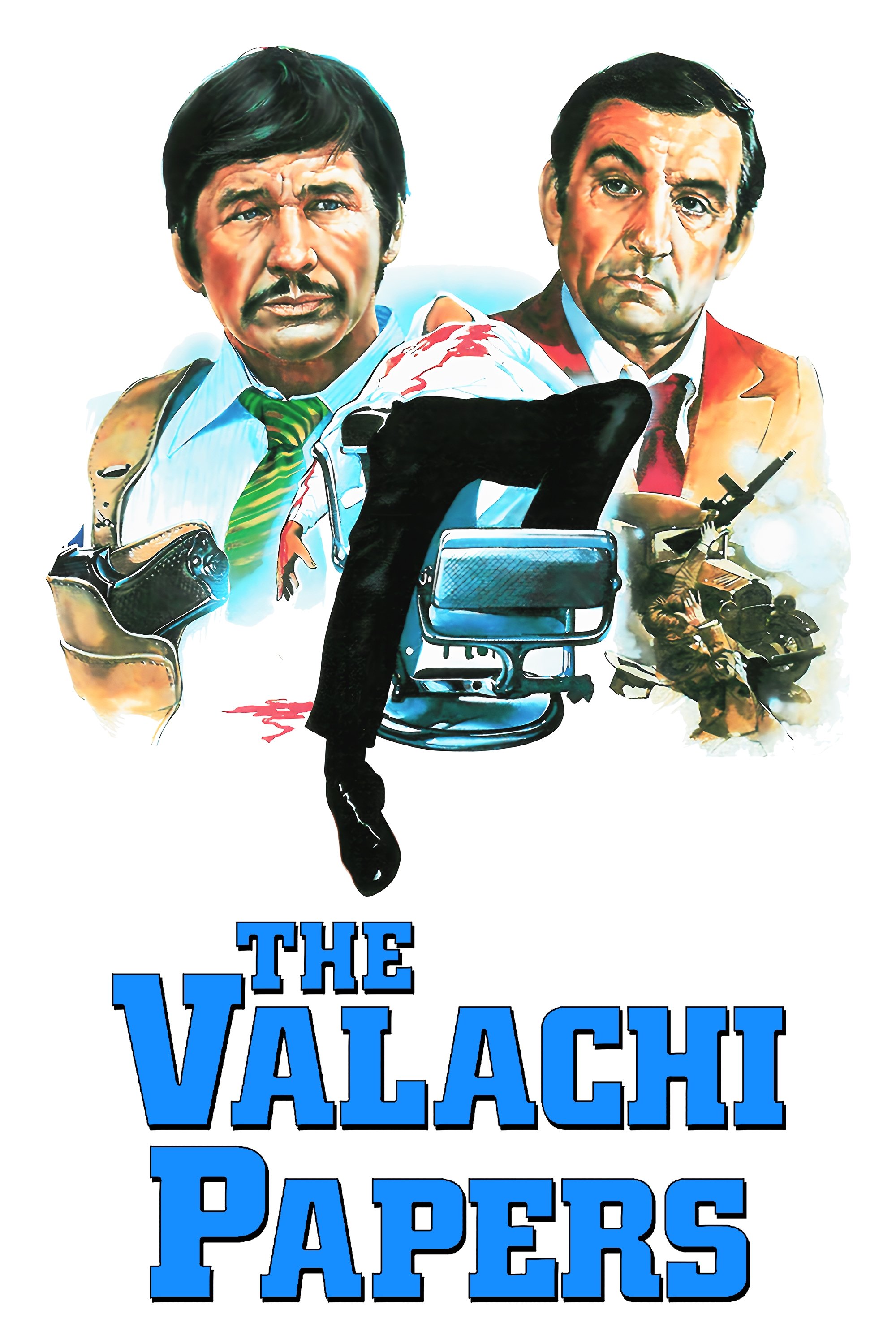
With a 17% Success Ratio (movies rated above 6.5), Robert Trout remains a reliable draw for studios. Their peak performance was recorded in The Valachi Papers, which continues to be the benchmark for their career rating-wise.
Best Robert Trout Movies Ranked
Must-watch hits from Robert Trout's career based on audience ratings.
Complete Filmography & Success Status
Tracking the career evolution and box office verdicts of Robert Trout.
| Year | Movie | Character | Success | More |
|---|---|---|---|---|
| 1972 | The Valachi Papers | Self (uncredited) | Hit | Similar → |
| 1959 | The Constitution and the Right to Vote | Narrator | Flop | Similar → |
| 1957 | The Constitution and the Labor Union | Narrator | Flop | Similar → |
| 1957 | The Constitution and Censorship | Narrator | Flop | Similar → |
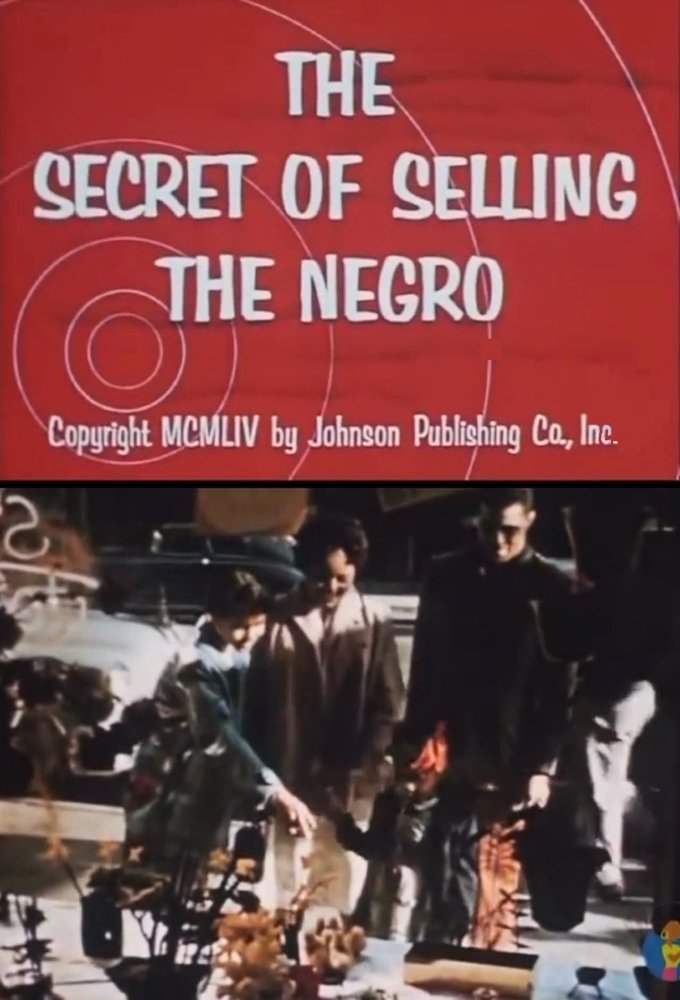
| 1954 | The Secret of Selling the Negro | Self - Host | Average | Similar → |
| 1952 | More Than Meets the Eye | Narrator (voice) | Flop | Similar → |
Robert Trout - Frequently Asked Questions
What is the best movie of Robert Trout?
According to audience ratings, the best movie starring Robert Trout is "The Valachi Papers" with a rating of 6.5/10.
How many movies has Robert Trout acted in?
Robert Trout has been featured in at least 6 major films throughout their career.
What are some other popular movies by Robert Trout?
Other notable films include "The Secret of Selling the Negro", "The Constitution and the Labor Union", and "The Constitution and Censorship".