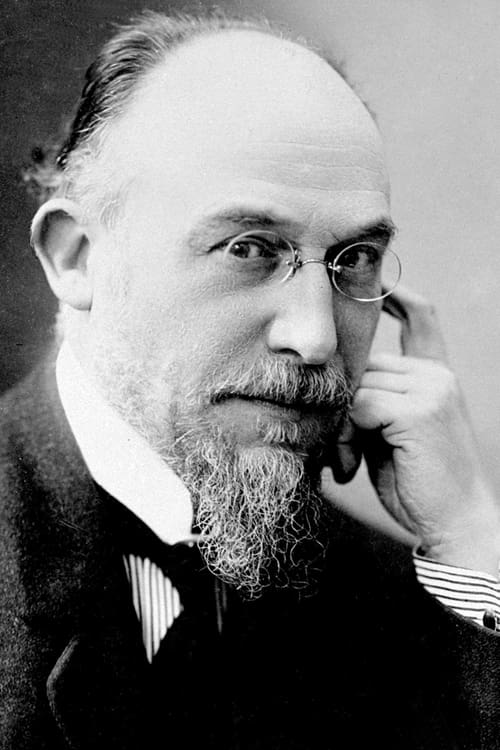
Erik Satie
SoundAbout Erik Satie
Eric Alfred Leslie Satie (17 May 1866 – 1 July 1925), who signed his name Erik Satie after 1884, was a French composer and pianist. He was the son of a French father and a British mother. He studied at the Paris Conservatoire, but was an undistinguished student and obtained no diploma. In the 1880s he worked as a pianist in café-cabaret in Montmartre, Paris, and began composing works, mostly for solo piano, such as his Gymnopédies and Gnossiennes. He also wrote music for a Rosicrucian sect to which he was briefly attached. After a spell in which he composed little, Satie entered Paris's second music academy, the Schola Cantorum, as a mature student. His studies there were more successful than those at the Conservatoire. From about 1910 he became the focus of successive groups of young composers attracted by his unconventionality and originality. Among them were the group known as Les Six. A meeting with Jean Cocteau in 1915 led to the creation of the ballet Parade (1917) for Serge Diaghilev, with music by Satie, sets and costumes by Pablo Picasso, and choreography by Léonide Massine. Satie's example guided a new generation of French composers away from post-Wagnerian impressionism towards a sparer, terser style. Among those influenced by him during his lifetime were Maurice Ravel and Francis Poulenc, and he is seen as an influence on more recent, minimalist composers such as John Cage and John Adams. His harmony is often characterised by unresolved chords, he sometimes dispensed with bar-lines, as in his Gnossiennes, and his melodies are generally simple and often reflect his love of old church music. He gave some of his later works absurd titles, such as Veritables Preludes flasques (pour un chien) ("True Flabby Preludes (for a Dog)", 1912), Croquis et agaceries d'un gros bonhomme en bois ("Sketches and Exasperations of a Big Wooden Man", 1913) and Sonatine bureaucratique ("Bureaucratic Sonatina", 1917). Most of his works are brief, and the majority are for solo piano. Exceptions include his "symphonic drama" Socrate (1919) and two late ballets Mercure and Relâche (1924). Satie never married, and his home for most of his adult life was a single small room, first in Montmartre and, from 1898 to his death, in Arcueil, a suburb of Paris. He adopted various images over the years, including a period in quasi-priestly dress, another in which he always wore identically coloured velvet suits, and is known for his last persona, in neat bourgeois costume, with bowler hat, wing collar, and umbrella. He was a lifelong heavy drinker, and died of cirrhosis of the liver at the age of 59. Satie was born on 17 May 1866 in Honfleur, Normandy, the first child of Alfred Satie and his wife Jane Leslie (née Anton). Jane Satie was an English Protestant of Scottish descent; Alfred Satie, a shipping broker, was a Roman Catholic anglophobe. A year later, the Saties had a daughter, Olga, and in 1869 a second son, Conrad. The children were baptised in the Anglican church. ... Source: Article "Erik Satie" from Wikipedia in English, licensed under CC-BY-SA 3.0.
Career Statistics & Market Influence
Analyzing the cinematic journey of Erik Satie reveals a career defined by exceptional commercial consistency. With a total of 1 major appearances, the actor has established a significant footprint in global cinema.
Genre Dominance: Comedy
The majority of Erik Satie's filmography leans towards the Comedy genre. Audience data suggests that viewers respond most favorably to this persona, though their versatility has allowed for successful crossovers into other categories.
The "Box Office" Signature
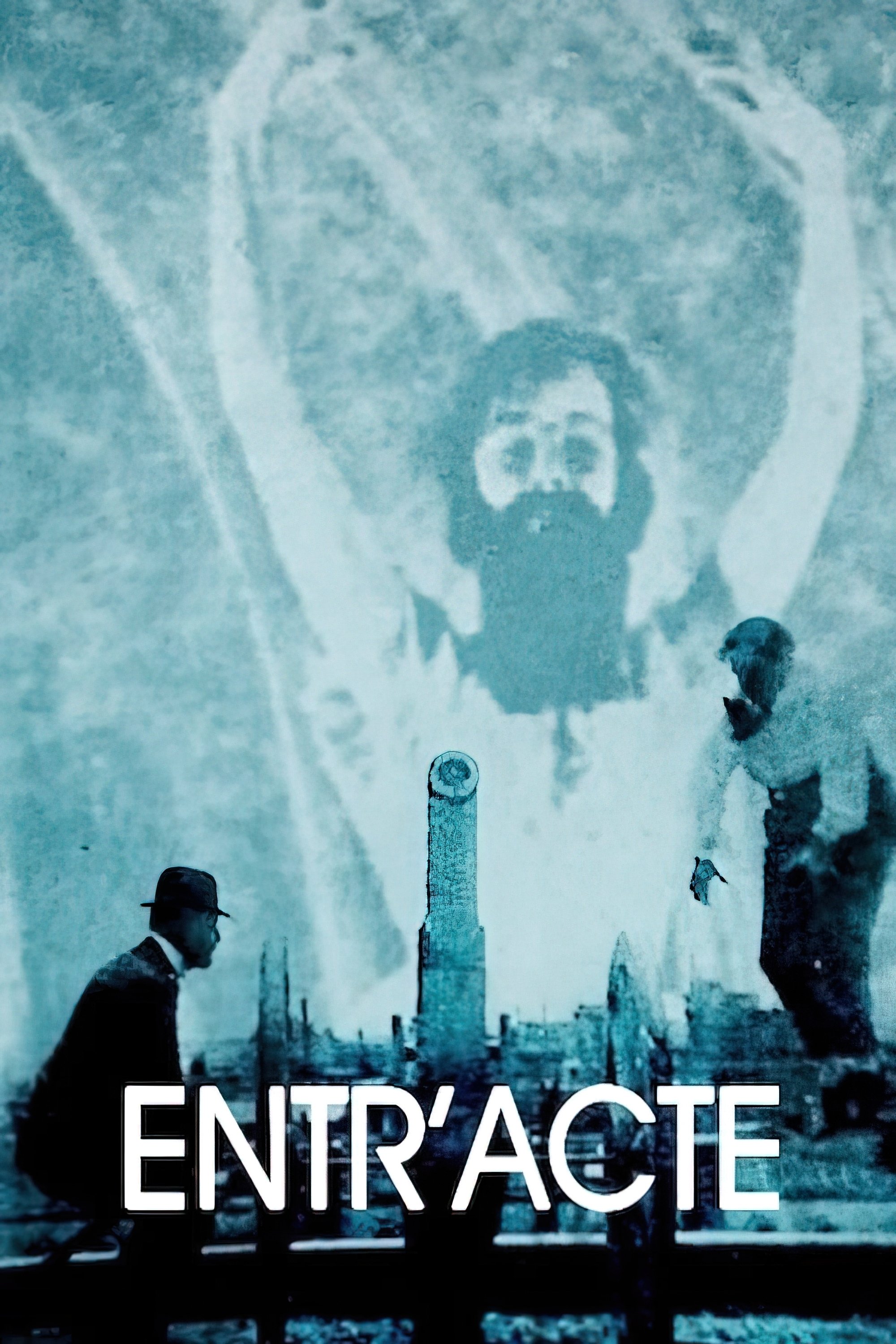
With a 100% Success Ratio (movies rated above 6.5), Erik Satie remains a reliable draw for studios. Their peak performance was recorded in Entr'acte, which continues to be the benchmark for their career rating-wise.
Best Erik Satie Movies Ranked
Must-watch hits from Erik Satie's career based on audience ratings.
Complete Filmography & Success Status
Tracking the career evolution and box office verdicts of Erik Satie.
Erik Satie - Frequently Asked Questions
What is the best movie of Erik Satie?
According to audience ratings, the best movie starring Erik Satie is "Entr'acte" with a rating of 6.9/10.
How many movies has Erik Satie acted in?
Erik Satie has been featured in at least 1 major films throughout their career.