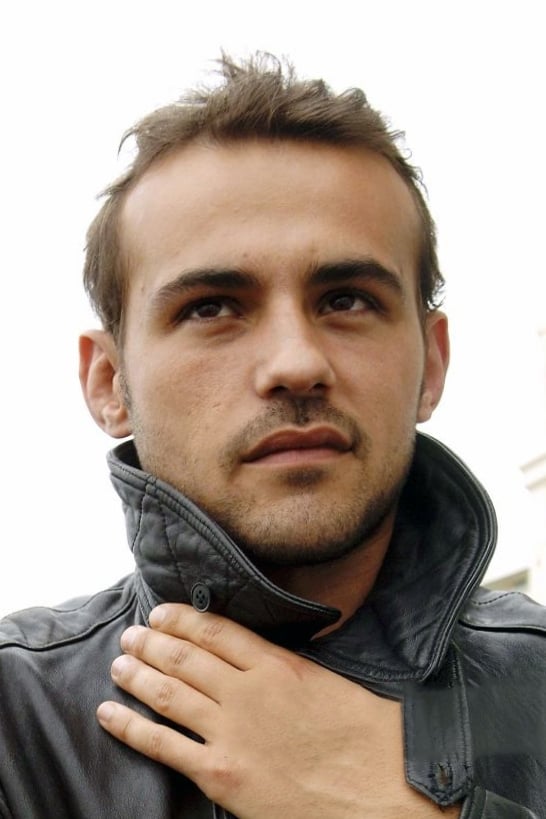
Stéphane Rideau
ActingAbout Stéphane Rideau
Stéphane Rideau (born 25 July 1976) is a French actor born near Agen. Although intending to pursue a career in sports, he was discovered in 1992 at a rugby game and then auditioned for a role in the film Wild Reeds by André Téchiné. He was, at the time, sixteen years old. He would later on play the role of a gay teenager in Come Undone by director Sébastien Lifshitz. Rideau has a long acting experience that includes the films Loin, Le Ventre de Juliette, Le Clan, and Le Cadeau d'Élena. He currently lives with his girlfriend Celia and his daughter.
Stéphane Rideau Movies & Career Overview
The filmography of Stéphane Rideau reflects a career marked by diverse experimentation. Across 43 major appearances, the actor has built a reputation through performances in multiple genres and storytelling styles.
Dominant Genre
A large portion of Stéphane Rideau's work falls within the Drama genre, where audiences tend to respond most strongly to their on-screen presence.
Success Ratio
Approximately 21% of Stéphane Rideau's films maintain ratings above 6.5, indicating a consistent level of audience approval.
One of the most highly rated entries in their career remains Les Sandales blanches, which stands out as a key performance.
Best Stéphane Rideau Movies Ranked
Must-watch hits from Stéphane Rideau's career based on audience ratings.

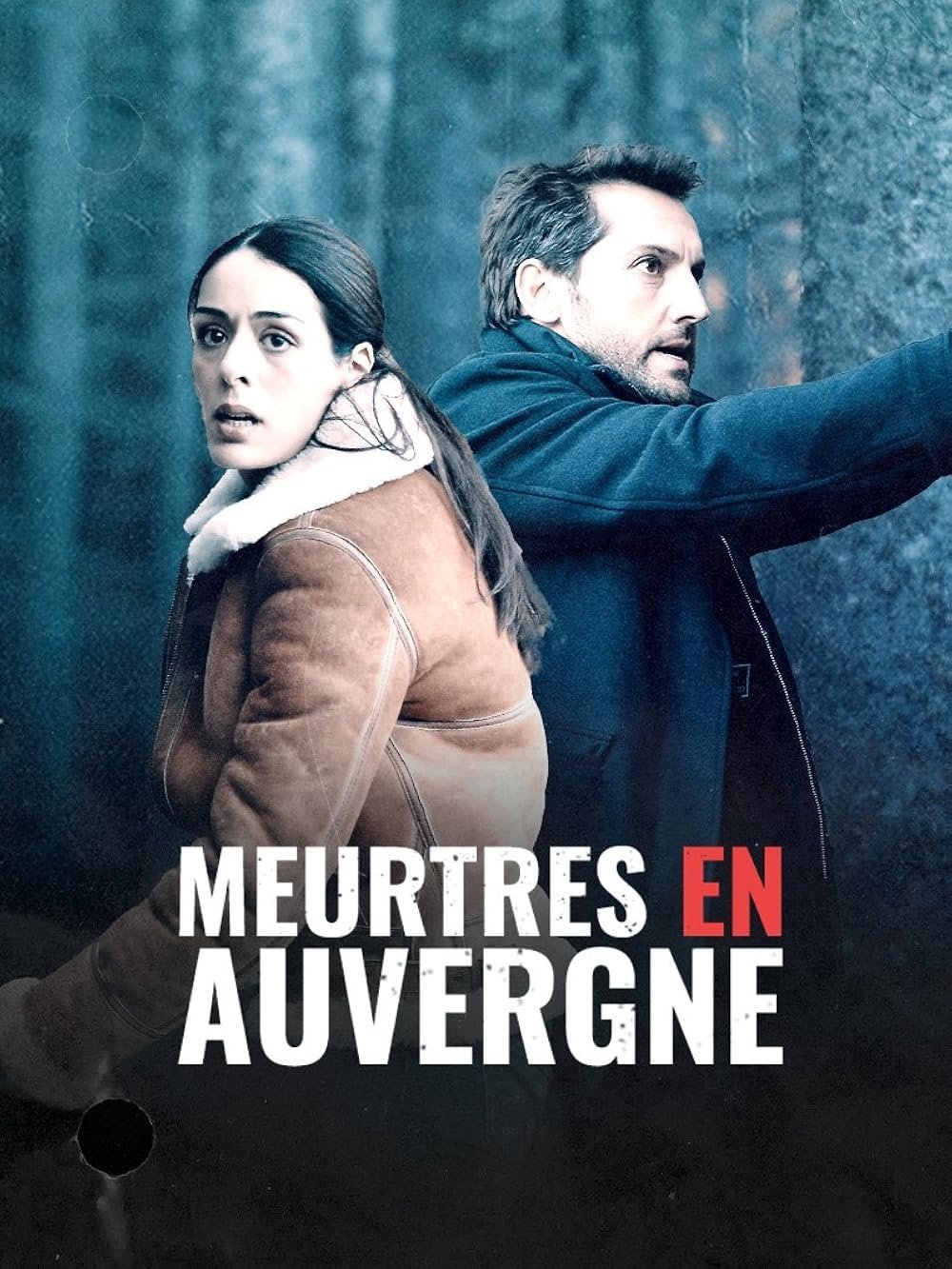

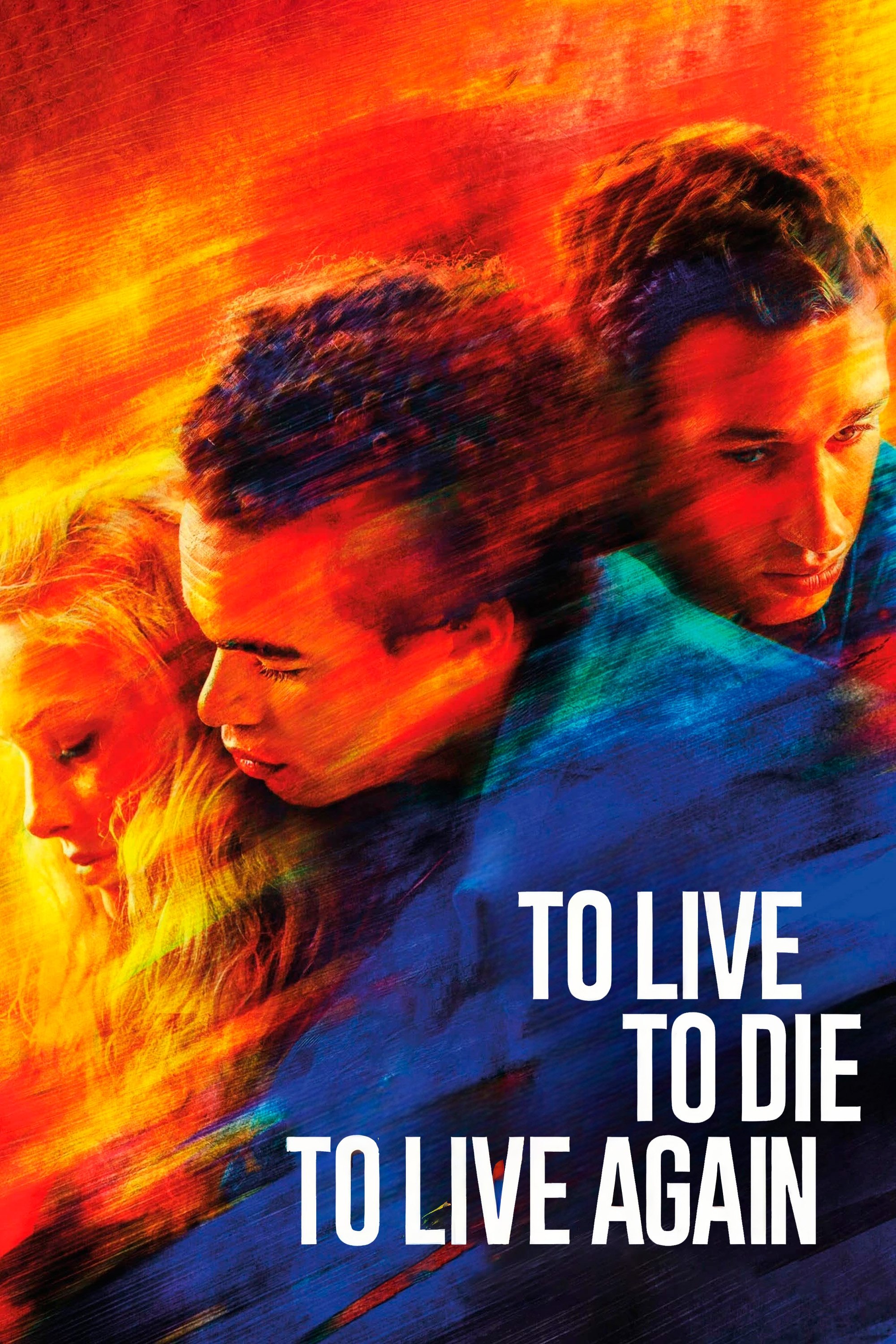
Full Filmography
Every movie Stéphane Rideau has appeared in, with audience ratings and verdicts.
Stéphane Rideau - Frequently Asked Questions
What is the best movie of Stéphane Rideau?
According to audience ratings, the best movie starring Stéphane Rideau is "Les Sandales blanches" with a rating of 7.3/10.
How many movies has Stéphane Rideau acted in?
Stéphane Rideau has been featured in at least 43 major films throughout their career.
What are some other popular movies by Stéphane Rideau?
Other notable films include "Murder In Auvergne", "Wild Reeds", and "To Live, To Die, To Live Again".