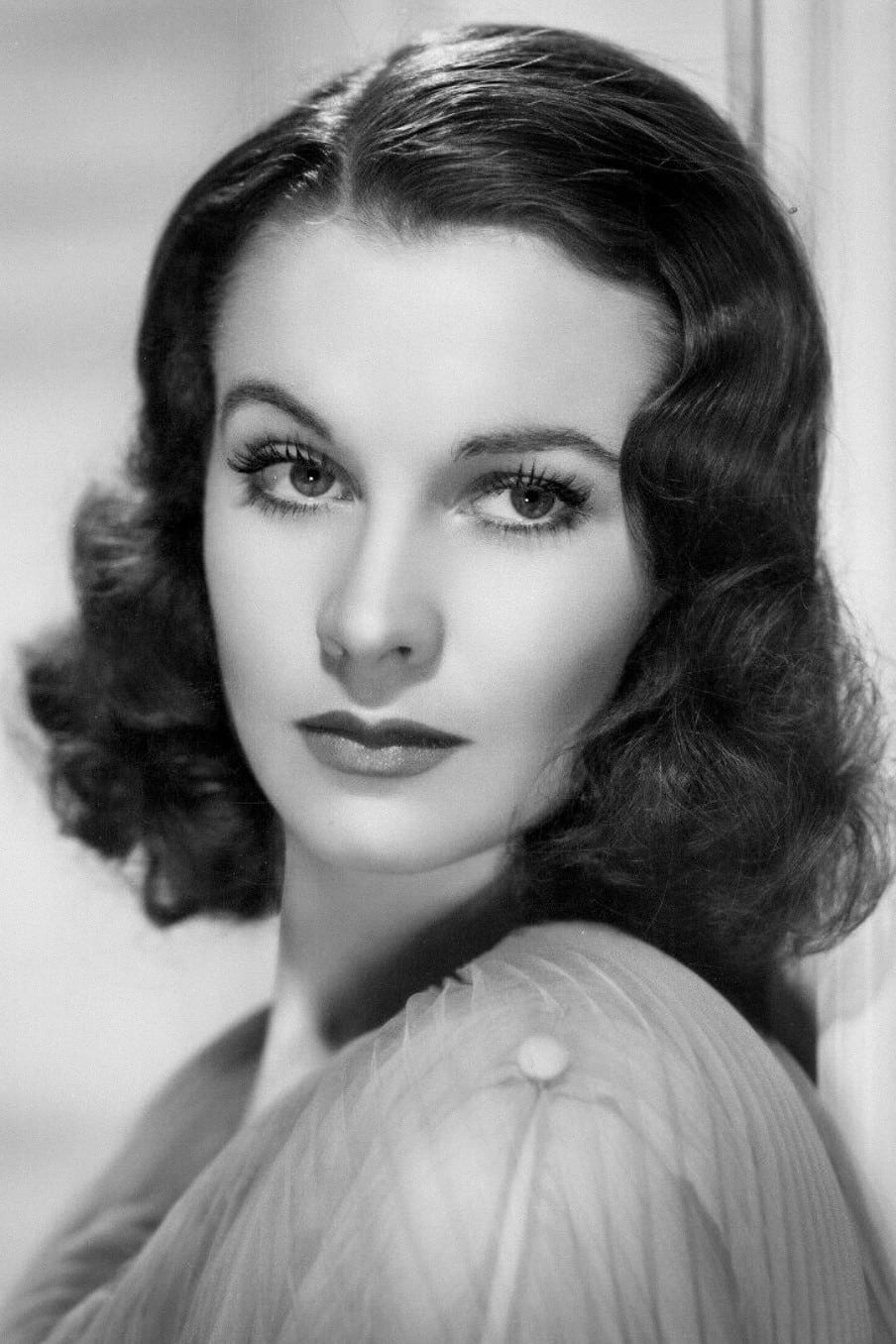
Vivien Leigh
ActingAbout Vivien Leigh
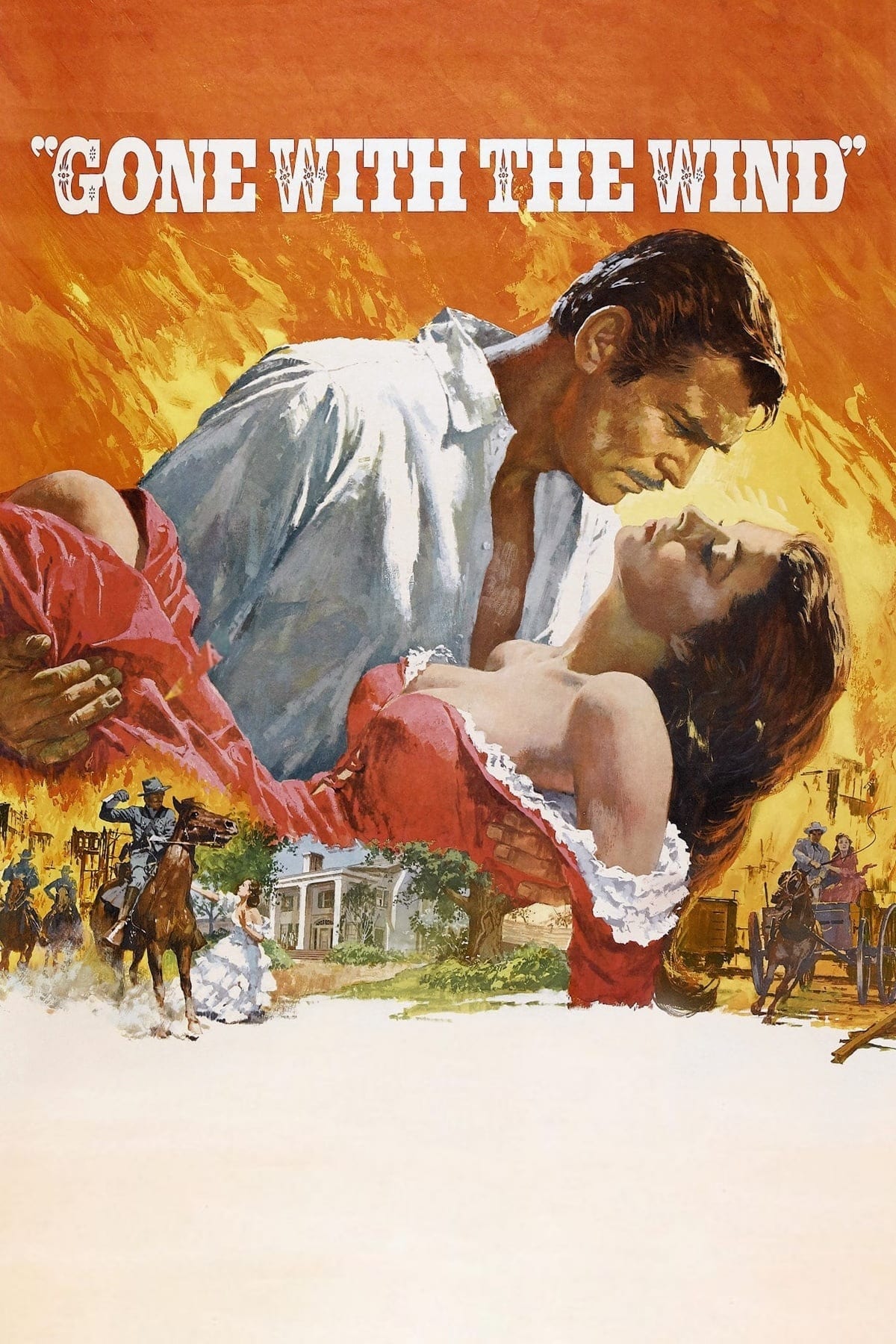
Vivien Leigh (born November 5, 1913, Darjeeling, India—died July 8, 1967, London, England) was an English actress renowned for her roles in Hollywood and British theater. She won two Academy Awards for Best Actress, portraying Scarlett O’Hara in Gone with the Wind (1939) and Blanche DuBois in A Streetcar Named Desire (1951), both performances that solidified her place among the greatest actresses of classic cinema. Leigh was the only child of Ernest Hartley, a British broker, and Gertrude Yackjee, who had Anglo-Indian and Armenian ancestry. She spent her childhood between England and Europe, attending convent schools before enrolling at the Royal Academy of Dramatic Art (RADA) in London in 1932, setting the stage for her acting career. Her film debut came in Things Are Looking Up (1934), followed by roles in British films such as Fire Over England (1937), where she starred alongside Laurence Olivier. Their professional collaboration soon became a high-profile romance, capturing public fascination. Leigh’s breakthrough role was Scarlett O’Hara in Gone with the Wind (1939), a part for which she beat hundreds of actresses in a legendary casting search. The film became one of the most celebrated in cinematic history, and her performance earned international acclaim, securing her first Academy Award. Leigh continued to star in films such as Waterloo Bridge (1940) and That Hamilton Woman (1941), frequently working with Olivier, whom she married in 1940. Their union lasted 20 years, during which they became one of the most revered couples in theater and film, starring together in Shakespearean productions and three films. In 1951, she won her second Academy Award for A Streetcar Named Desire, where her portrayal of Blanche DuBois was deeply personal, reflecting her own struggles with mental health. Leigh suffered from bipolar disorder, which profoundly affected her career and personal relationships. She also battled chronic tuberculosis, first diagnosed in the mid-1940s, which ultimately led to her death on July 8, 1967, at the age of 53. After divorcing Olivier in 1960, she found companionship with actor John Merivale, who remained by her side until her passing. Despite periods of career instability, Leigh remains one of the most celebrated actresses of her time. In 1999, the American Film Institute (AFI) ranked her as the 16th greatest female movie star of classic Hollywood cinema. She also won a Tony Award for Tovarich (1963), proving her talent extended beyond film. Her beauty, talent, and dedication made her an enduring icon, and her performances continue to be studied and celebrated worldwide.
Vivien Leigh Movies & Career Overview
The filmography of Vivien Leigh reflects a career marked by diverse experimentation. Across 50 major appearances, the actor has built a reputation through performances in multiple genres and storytelling styles.
Dominant Genre
A large portion of Vivien Leigh's work falls within the Documentary genre, where audiences tend to respond most strongly to their on-screen presence.
Success Ratio
Approximately 46% of Vivien Leigh's films maintain ratings above 6.5, indicating a consistent level of audience approval.
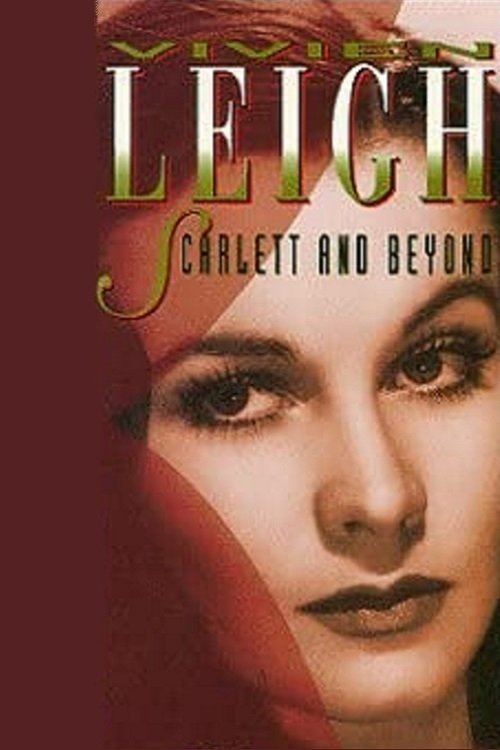
One of the most highly rated entries in their career remains Vivien Leigh: Scarlett and Beyond, which stands out as a key performance.
Best Vivien Leigh Movies Ranked
Must-watch hits from Vivien Leigh's career based on audience ratings.
Full Filmography
Every movie Vivien Leigh has appeared in, with audience ratings and verdicts.
Vivien Leigh - Frequently Asked Questions
What is the best movie of Vivien Leigh?
According to audience ratings, the best movie starring Vivien Leigh is "Vivien Leigh: Scarlett and Beyond" with a rating of 10.0/10.
How many movies has Vivien Leigh acted in?
Vivien Leigh has been featured in at least 50 major films throughout their career.
What are some other popular movies by Vivien Leigh?
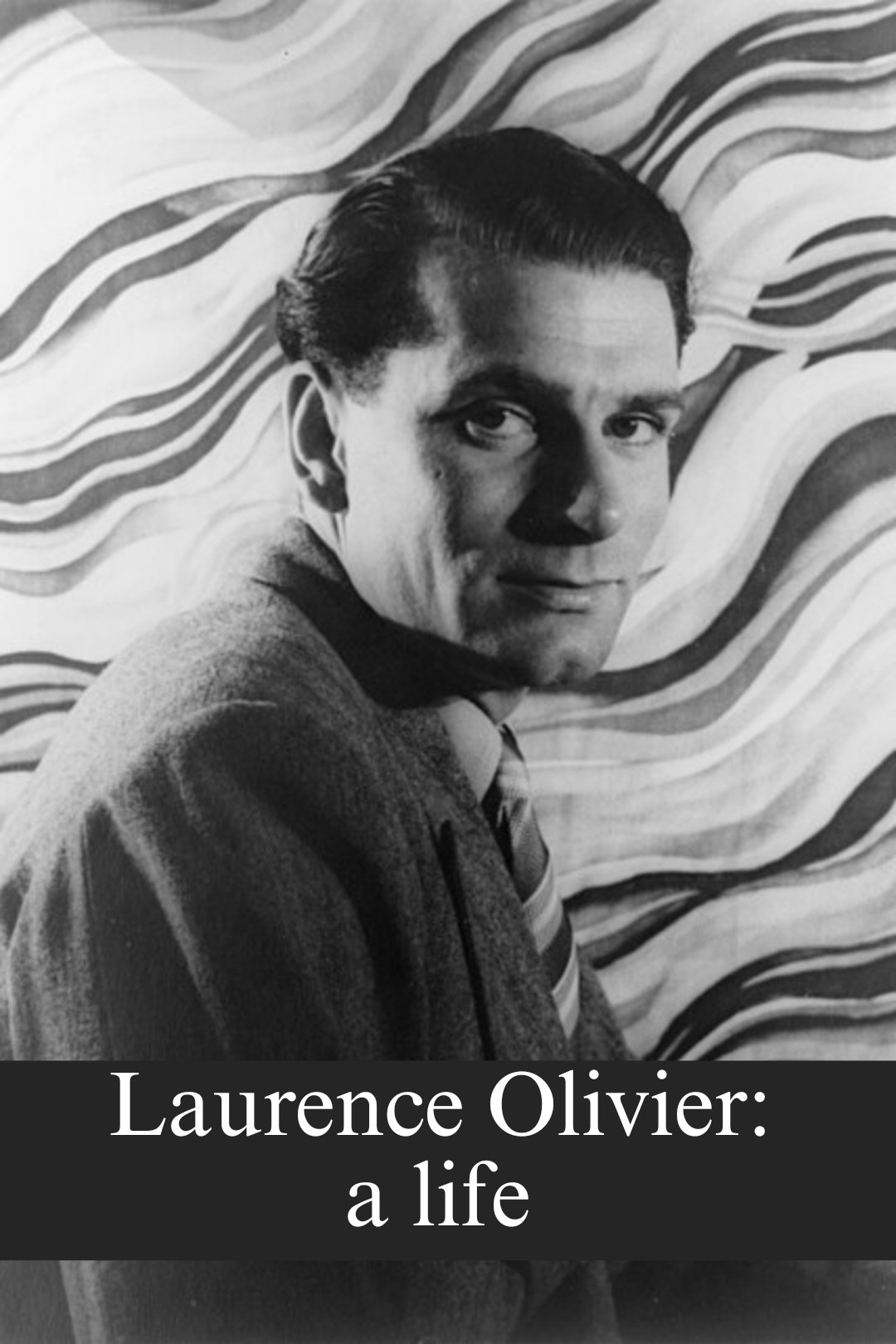
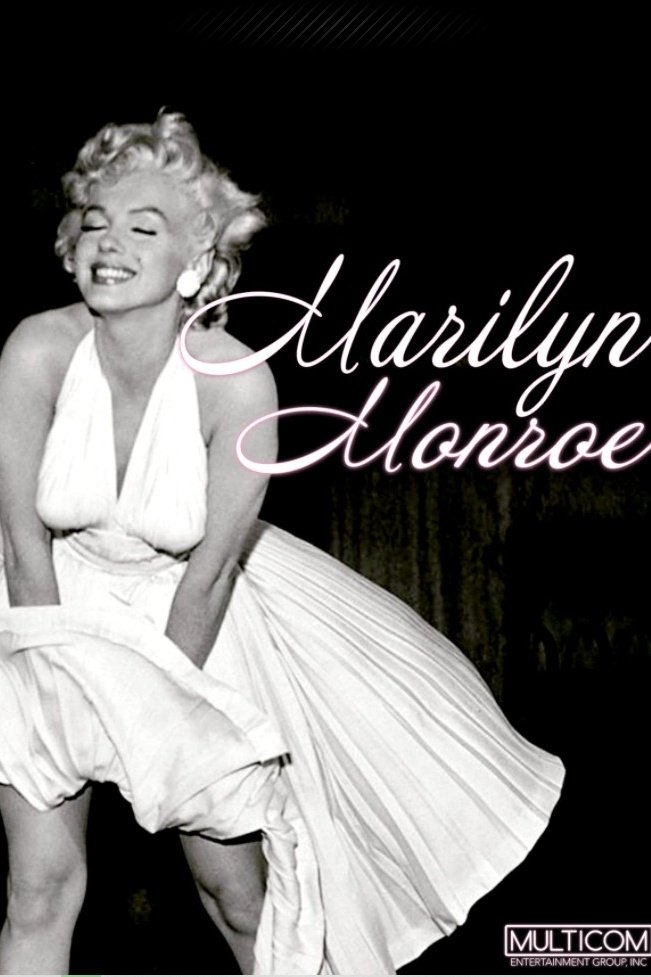
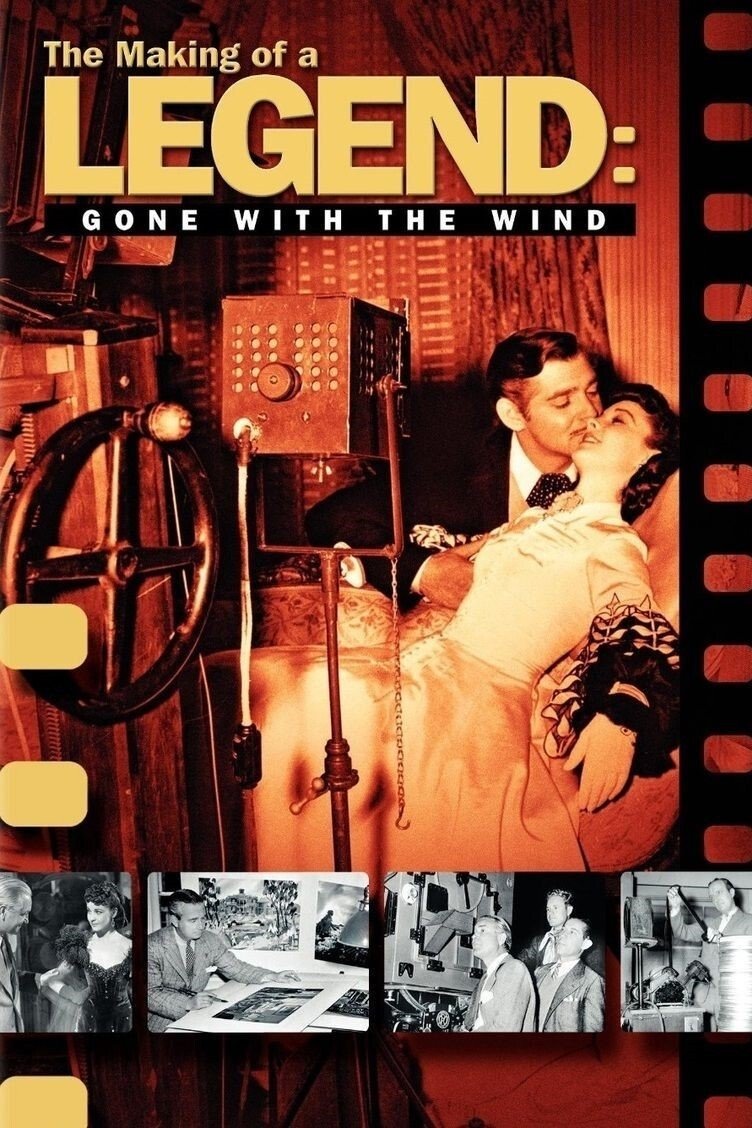
Other notable films include "Laurence Olivier: a life", "Marilyn Monroe", and "The Making of a Legend: Gone with the Wind".