
Walter Carvalho
CameraAbout Walter Carvalho
Walter Carvalho is a critically and internationally acclaimed Brazilian cinematographer. Carvalho has worked on over 70 films in his career since entering the Cinema of Brazil in 1973. He has won some 30 different professional film awards to date and has worked on acclaimed Brazilian films such as Carandiru in 2003. He is the father of also cinematographer Lula Carvalho.
Walter Carvalho Movies & Career Overview
The filmography of Walter Carvalho reflects a career marked by diverse experimentation. Across 16 major appearances, the actor has built a reputation through performances in multiple genres and storytelling styles.
Dominant Genre
A large portion of Walter Carvalho's work falls within the Documentary genre, where audiences tend to respond most strongly to their on-screen presence.
Success Ratio
Approximately 25% of Walter Carvalho's films maintain ratings above 6.5, indicating a consistent level of audience approval.
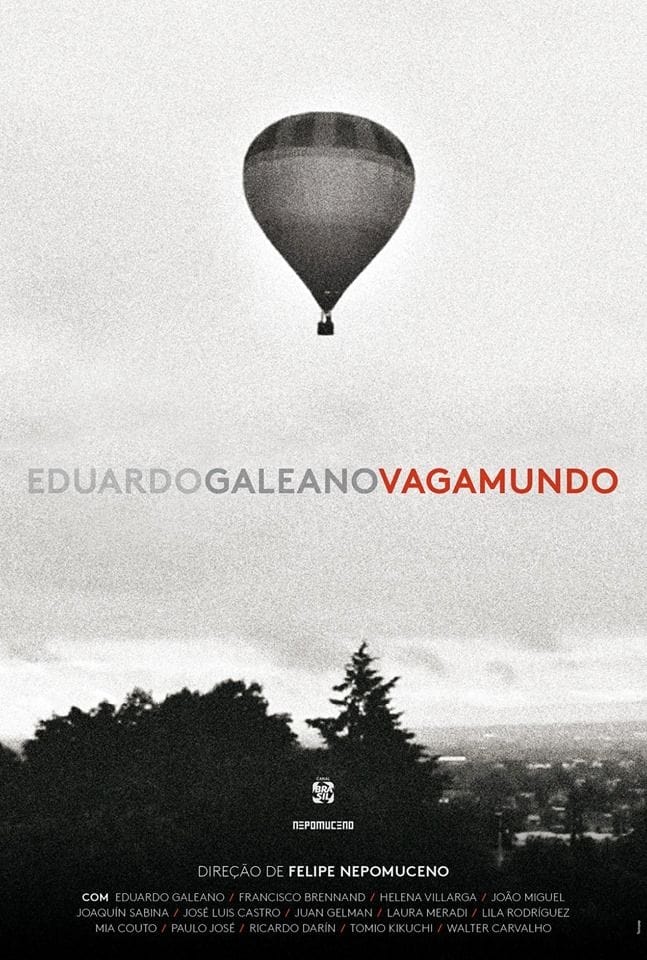
One of the most highly rated entries in their career remains Eduardo Galeano, Vagamundo, which stands out as a key performance.
Best Walter Carvalho Movies Ranked
Must-watch hits from Walter Carvalho's career based on audience ratings.


Full Filmography
Every movie Walter Carvalho has appeared in, with audience ratings and verdicts.
| Year | Movie | Character | Success | More |
|---|---|---|---|---|
| 2023 | Peréio, Eu Te Odeio! | - | Super Hit | Similar → |
| 2022 | Quando a Coisa Vira Outra | Self | Flop | Similar → |
| 2021 | Procura-se Meteorango Kid: Vivo ou Morto | Self | Flop | Similar → |
| 2020 | Candango: Memoirs from a Festival | Self | Flop | Similar → |
| 2018 | O Outro Lado da Memória | Self | Flop | Similar → |
| 2018 | Eduardo Galeano, Vagamundo | Self | Super Hit | Similar → |
| 2018 | Caruatá – Vejo o Lugar que me vê | himself | Flop | Similar → |
| 2016 | Cacaso | Self | Flop | Similar → |
| 2013 | VINTE - RioFilme, 20 anos de cinema brasileiro | Self | Flop | Similar → |
| 2010 | Augusto Boal and the Theatre of the Oppressed | Self | Hit | Similar → |
| 2008 | Cinematography | Self | Flop | Similar → |
| 2007 | Iluminados | Self | Super Hit | Similar → |
| 2004 | Vladimir Carvalho, Conterrâneo Velho de Guerra | Ele mesmo | Flop | Similar → |
| 2002 | Conquista Central Station - The 7 days of creation | Self | Flop | Similar → |
| 2001 | O Cinema Segundo Vladimir Carvalho | Self | Flop | Similar → |
| 1975 | Chinese Viola | Self | Average | Similar → |
Walter Carvalho - Frequently Asked Questions
What is the best movie of Walter Carvalho?
According to audience ratings, the best movie starring Walter Carvalho is "Eduardo Galeano, Vagamundo" with a rating of 10.0/10.
How many movies has Walter Carvalho acted in?
Walter Carvalho has been featured in at least 16 major films throughout their career.
What are some other popular movies by Walter Carvalho?
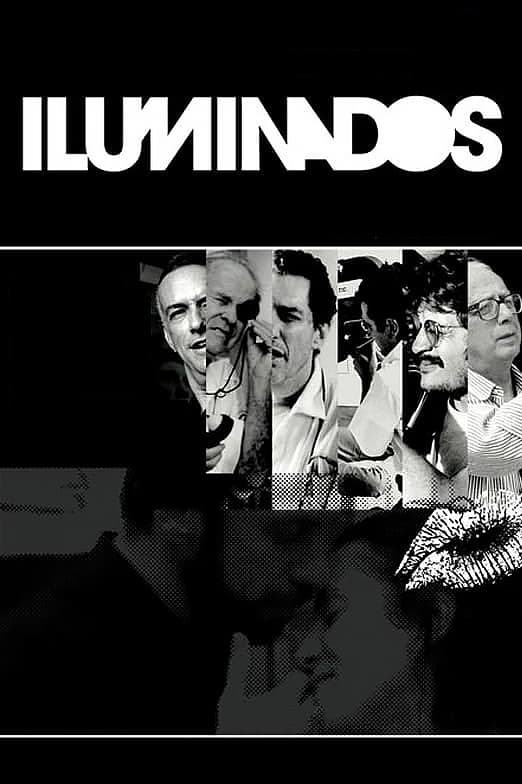
Other notable films include "Iluminados", "Peréio, Eu Te Odeio!", and "Augusto Boal and the Theatre of the Oppressed".