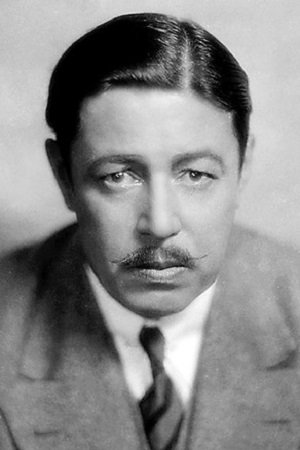
Warner Oland
ActingAbout Warner Oland
From Wikipedia, the free encyclopedia Warner Oland (born Johan Verner Ölund, October 3, 1879 – August 6, 1938) was a Swedish-American actor most remembered for playing several Chinese and Chinese-American characters: the Honolulu Police detective, Lieutenant Charlie Chan; Dr. Fu Manchu; and Henry Chang in Shanghai Express. His family emigrated to the United States when he was 13. He pursued a film career that would include time on Broadway and dozens of film appearances, including 16 Charlie Chan films. After several years in theater, including appearances on Broadway as Warner Oland, in 1912 he made his silent film debut in Pilgrim's Progress, a film based on the John Bunyan novel. As a result of his training as a Shakespearean actor and his easy adoption of a sinister look, he was much in demand as a villain and in ethnic roles. Over the next 15 years, he appeared in more than 30 films, including a major role in The Jazz Singer (1927), one of the first talkies produced. Oland's normal appearance fit the Hollywood expectation of caricatured Asianness of the time, despite his having no definitively proven Asian cultural background. Oland portrayed a variety of Asian characters in several movies before being offered the leading role in the 1929 film, The Mysterious Dr. Fu Manchu. It was the first onscreen portrayal of the Fu Manchu character in film. Oland continued to appear onscreen as an Asian, probably more often than any other white actor in the history of cinema. In Old San Francisco, Oland played an Asian unsuccessfully impersonating a white man. Oland was the first actor to play a werewolf in a major Hollywood film, biting the protagonist, played by Henry Hull, in Werewolf of London (1935). Once again, Oland's character was Asian. A box office success, The Mysterious Dr. Fu Manchu made Oland a star, and during the next two years he portrayed the evil Dr. Fu Manchu in three more films (although the second one was purely a cameo appearance). Firmly locked into such roles, he was cast as Charlie Chan in the international detective mystery film Charlie Chan Carries On (1931) and then in director Josef von Sternberg's 1932 classic film Shanghai Express opposite Marlene Dietrich and Anna May Wong. The enormous worldwide box office success of his Charlie Chan film led to more, with Oland starring in 16 Chan films in total. The series, Jill Lepore later wrote, "kept Fox afloat" during the 1930s, while earning Oland $40,000 per movie. Oland took his role seriously, studying the Chinese language and calligraphy.
Warner Oland Movies & Career Overview
The filmography of Warner Oland reflects a career marked by diverse experimentation. Across 50 major appearances, the actor has built a reputation through performances in multiple genres and storytelling styles.
Dominant Genre
A large portion of Warner Oland's work falls within the Drama genre, where audiences tend to respond most strongly to their on-screen presence.
Success Ratio
Approximately 48% of Warner Oland's films maintain ratings above 6.5, indicating a consistent level of audience approval.
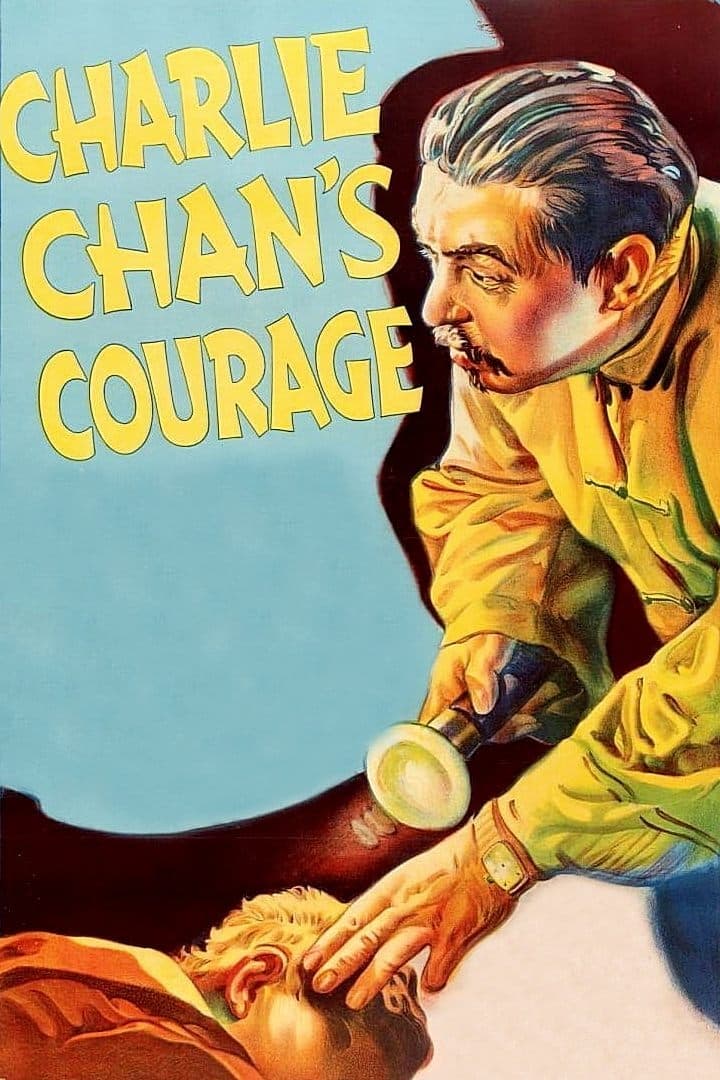
One of the most highly rated entries in their career remains Charlie Chan's Courage, which stands out as a key performance.
Best Warner Oland Movies Ranked
Must-watch hits from Warner Oland's career based on audience ratings.

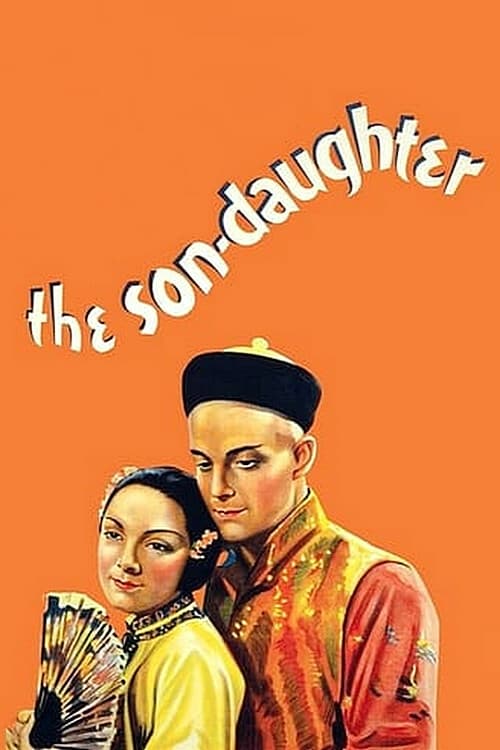
Full Filmography
Every movie Warner Oland has appeared in, with audience ratings and verdicts.
Warner Oland - Frequently Asked Questions
What is the best movie of Warner Oland?
According to audience ratings, the best movie starring Warner Oland is "Charlie Chan's Courage" with a rating of 8.0/10.
How many movies has Warner Oland acted in?
Warner Oland has been featured in at least 50 major films throughout their career.
What are some other popular movies by Warner Oland?
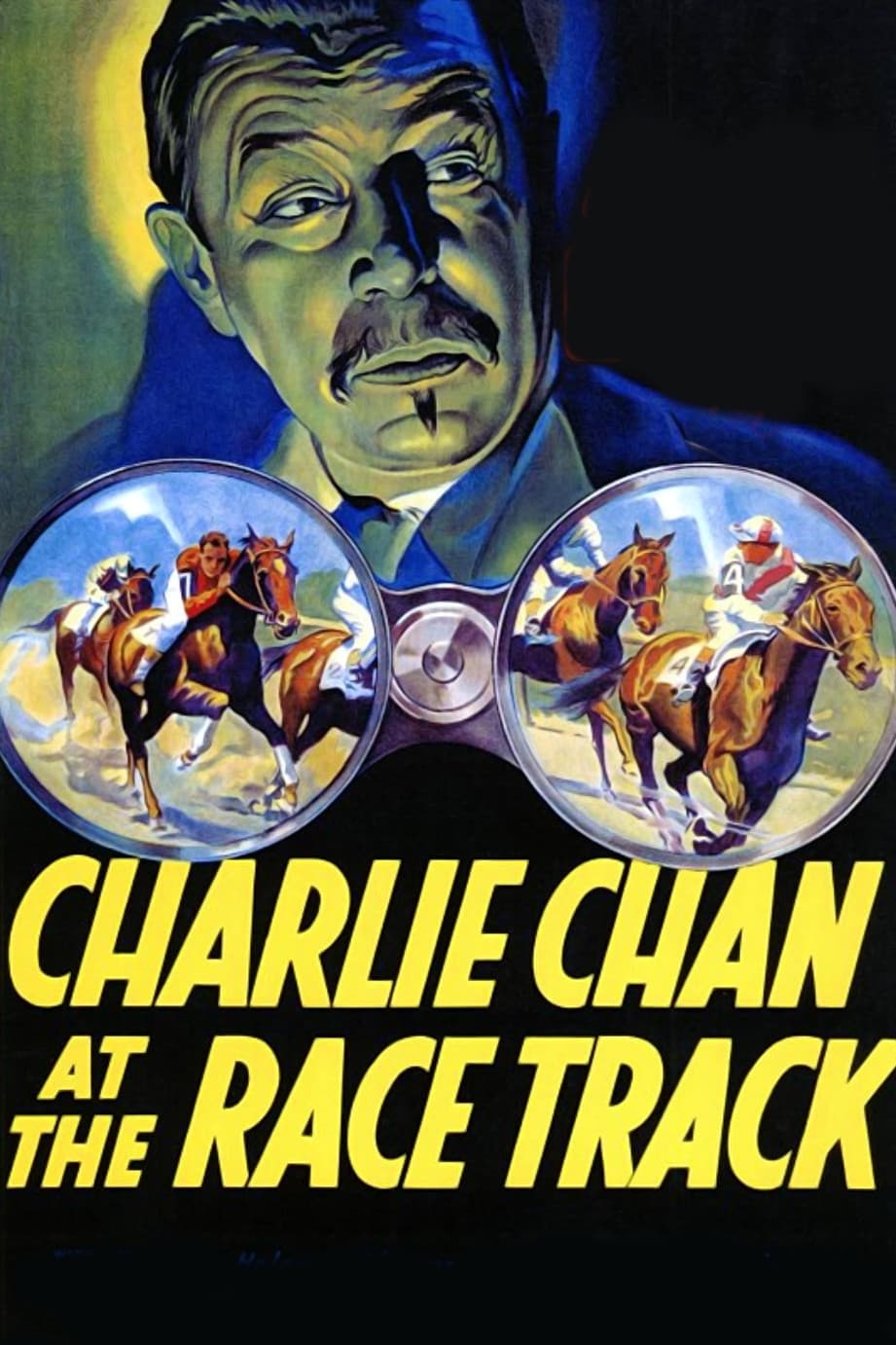
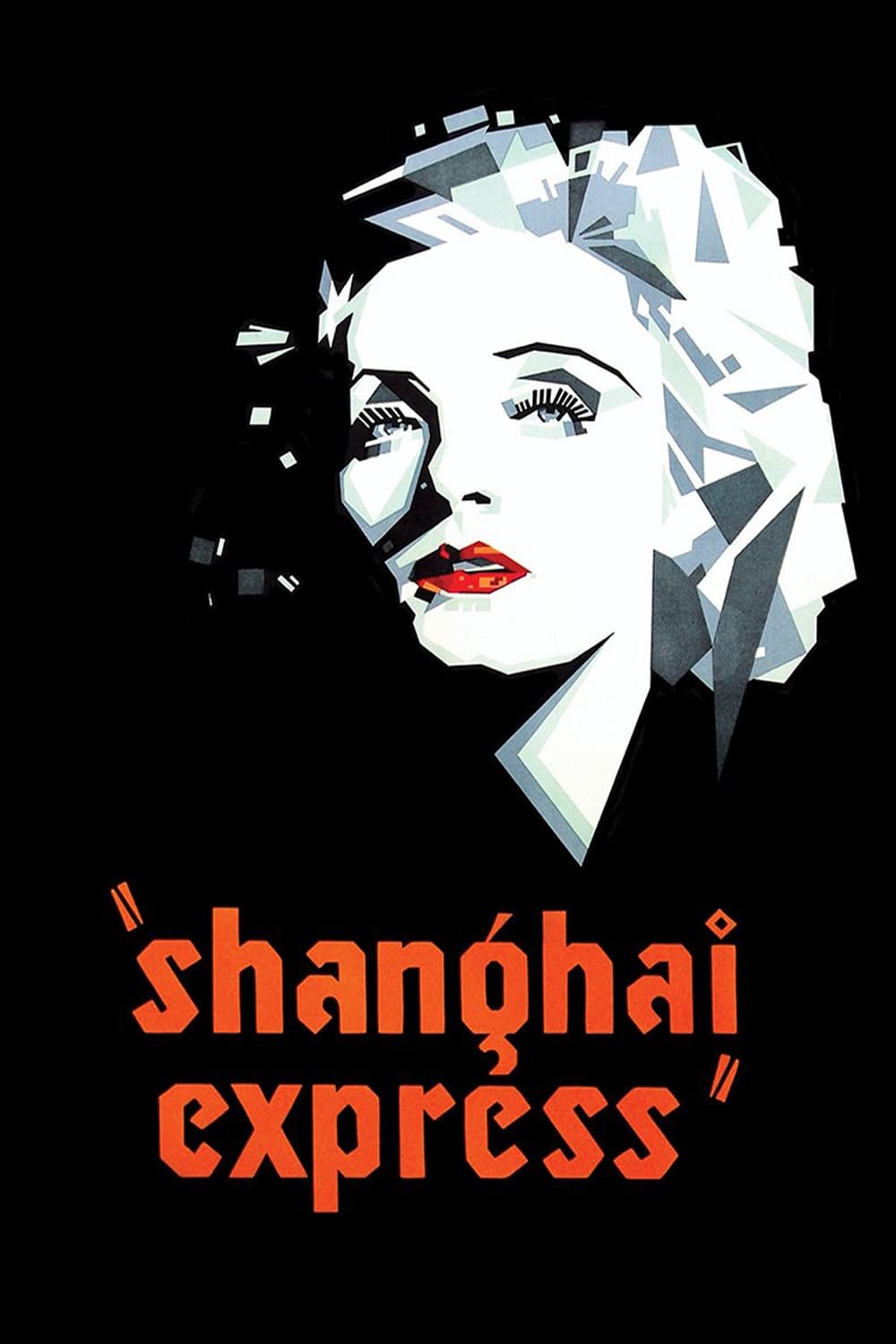
Other notable films include "Charlie Chan at the Race Track", "Shanghai Express", and "Charlie Chan on Broadway".